3D printing & STL6 min read
Drain holes for hollow resin prints: how many, how big, where
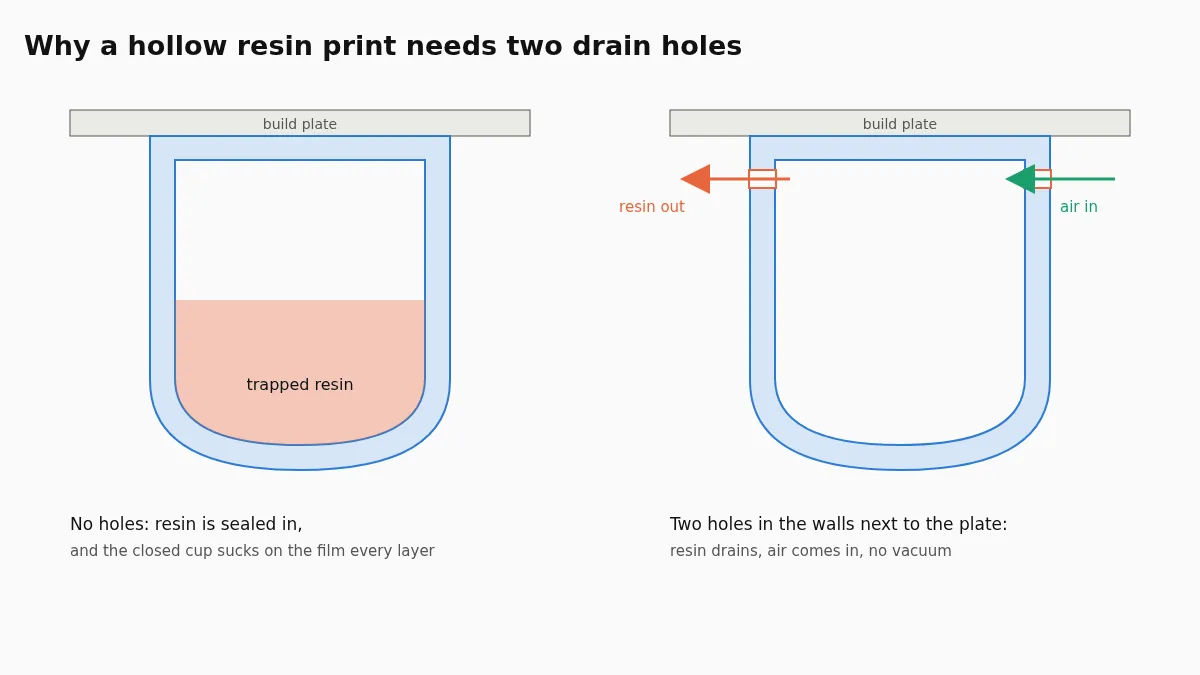
Why a hollow resin print needs two drain holes per cavity, where they go, how large they should be and how to plug them, with the published Formlabs minimum.
Measured, hands-on guides on file conversion, PDF, 3D printing, fonts and developer tooling.
Why a hollow resin print needs two drain holes per cavity, where they go, how large they should be and how to plug them, with the published Formlabs minimum.
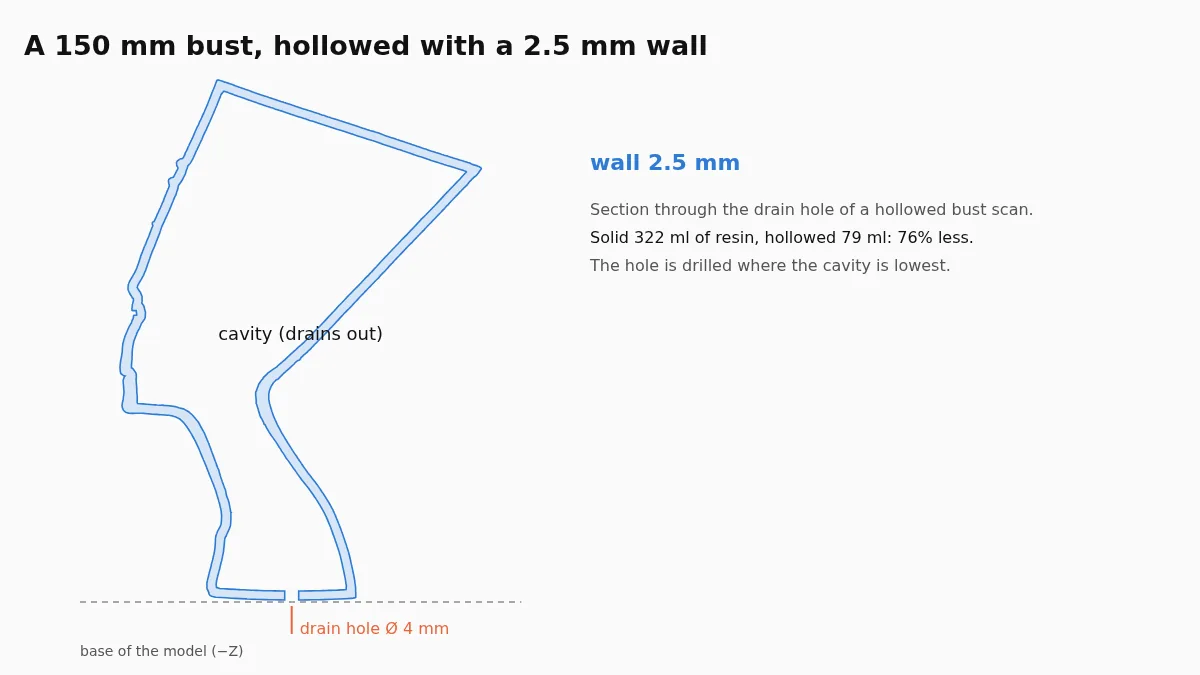
Measured resin savings on seven scans, how thick the wall should be, where the drain holes go and why thin figures save less. With an online hollowing tool.
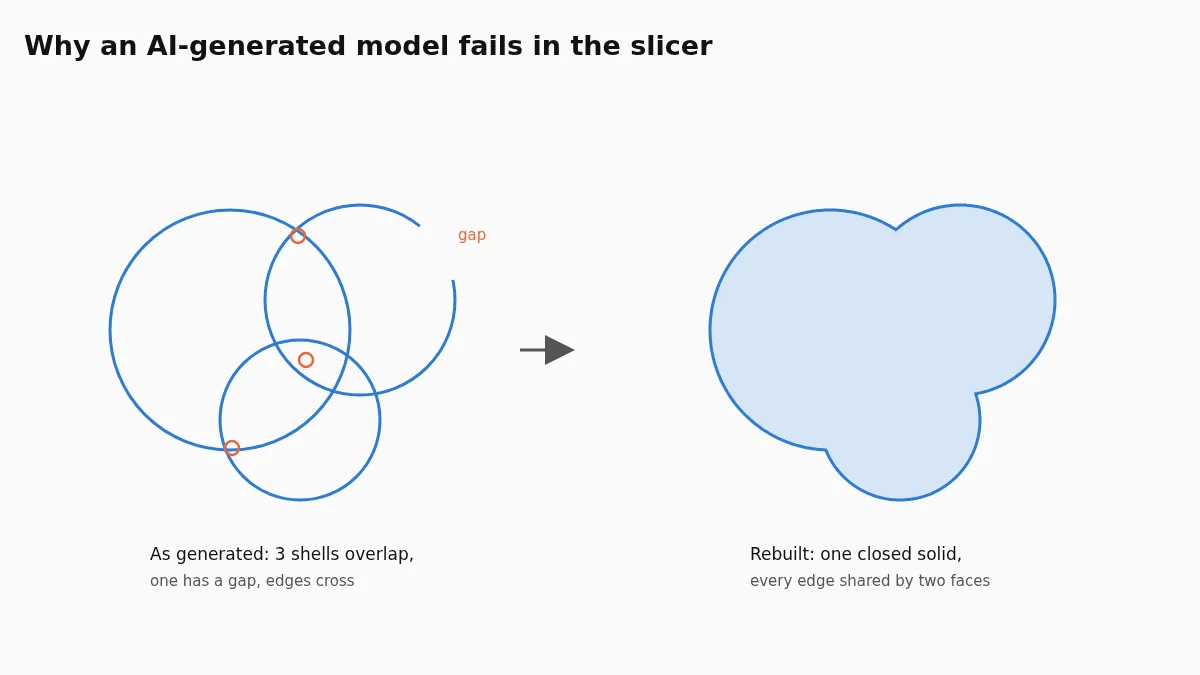
Overlapping shells, holes and flipped faces from Meshy, Tripo or Rodin explained, the three ways to fix them, and a measured before-and-after of a rebuild.
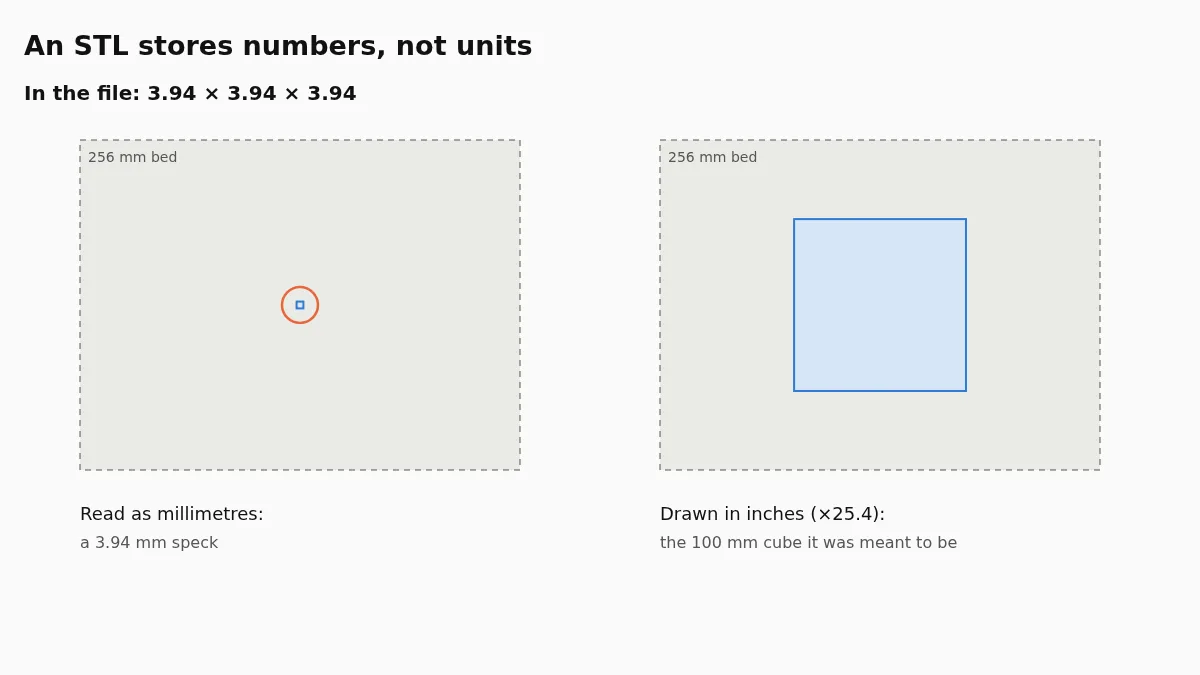
STL has no unit, so slicers read millimetres. How to tell inches from cm or metres, what PrusaSlicer and Cura detect on their own, and how to fix the file.
Trace a logo into closed contours a vinyl plotter can cut: what the 0.5 mm minimum feature means, how the blade-width clean-up works and how to scale on import.
Turn a sticker photo into one cut layer per colour: how the katman-N-rrggbb groups are built, why layers sit side by side, and how to cut and register the sheets.

Trace a raster logo for the press: PDF/X-3 with a FOGRA39 CMYK output intent, transparency flattened to paper white, EPS for older RIPs and a preflight checklist.

What each line of the cut report means: the status badge, the contract's three mm values, clean-up rounds, the enlargement hint and the detail retention warning.
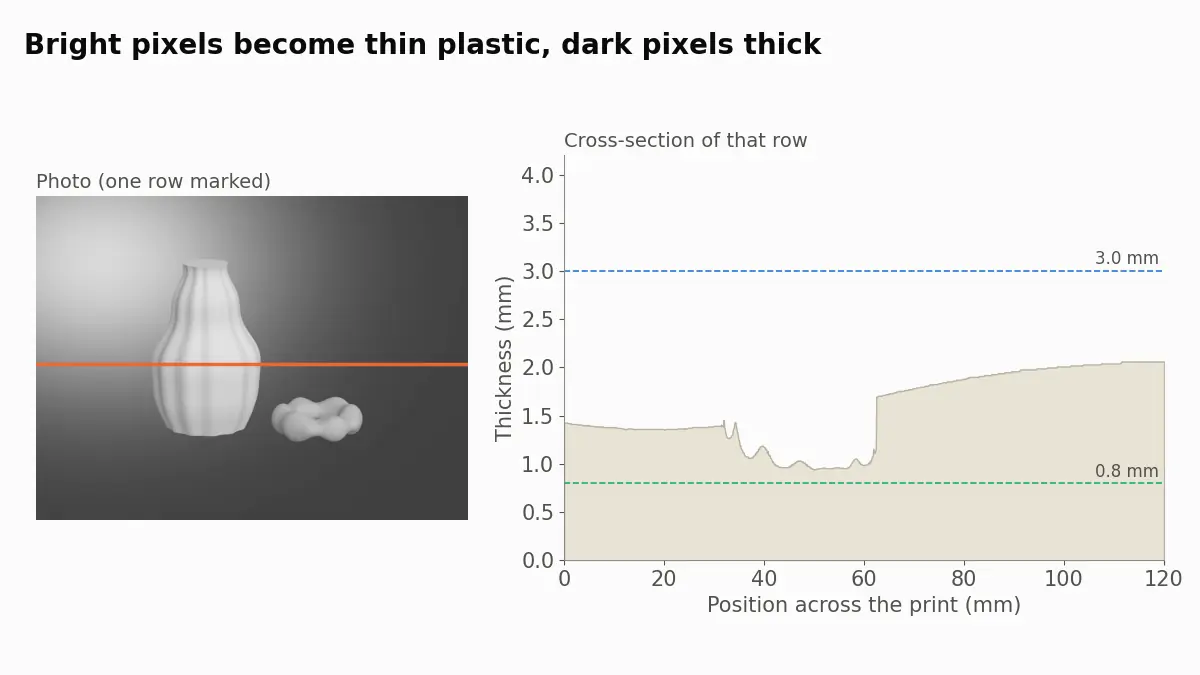
Turn a photo into a lithophane STL: which photo works, 0.8 to 3 mm thickness, print width, white PLA at 100% infill, fine layers, orientation and backlight.
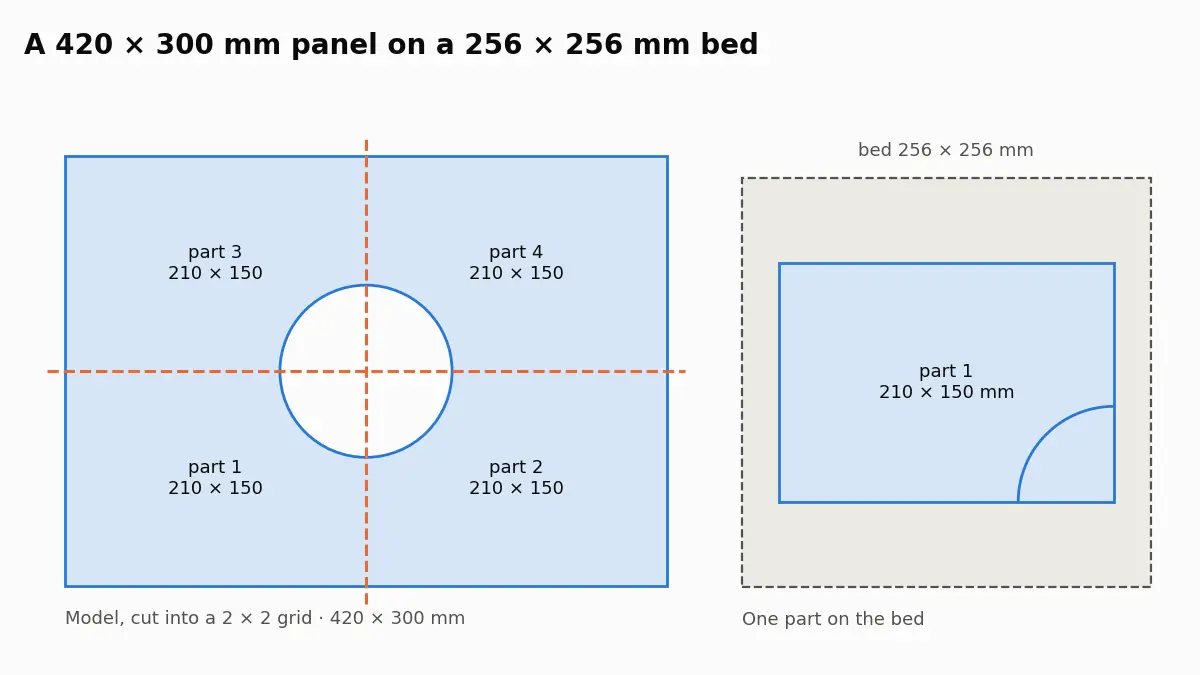
Bed sizes of common printers, how cutting an STL into parts works, margins, orientation and how to join the parts with glue, pins or dovetails.
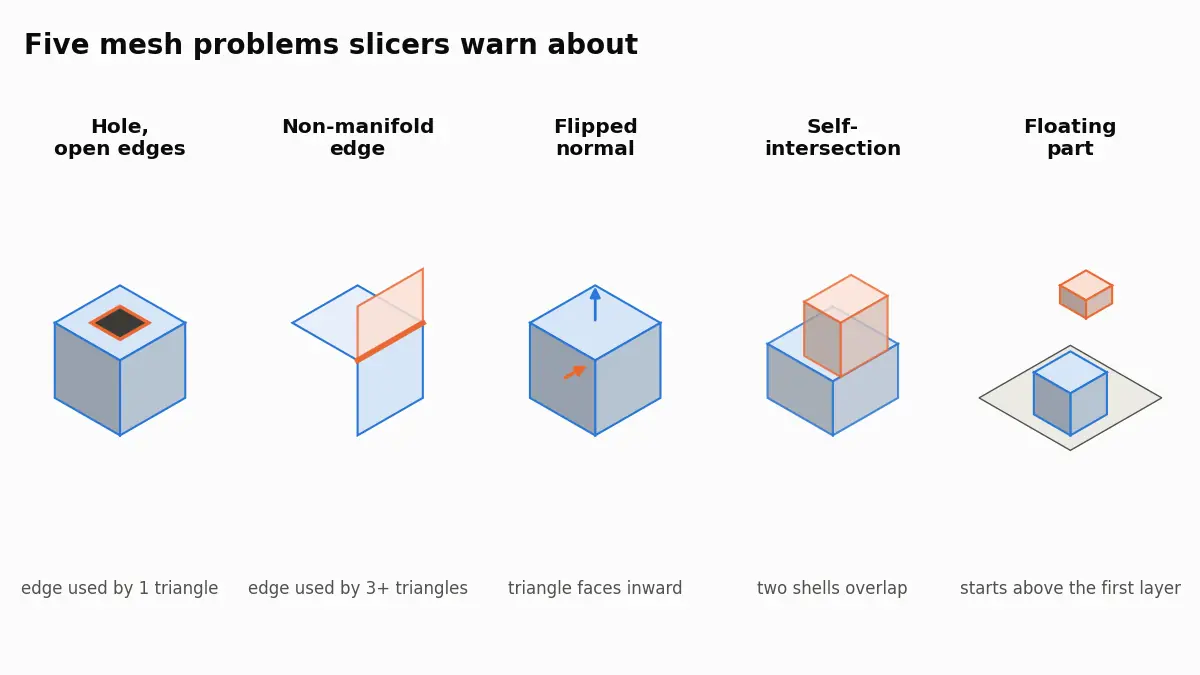
What PrusaSlicer, Bambu Studio and Cura mean by open edges, non-manifold edges, reversed faces and floating parts, and how to repair the STL behind them.
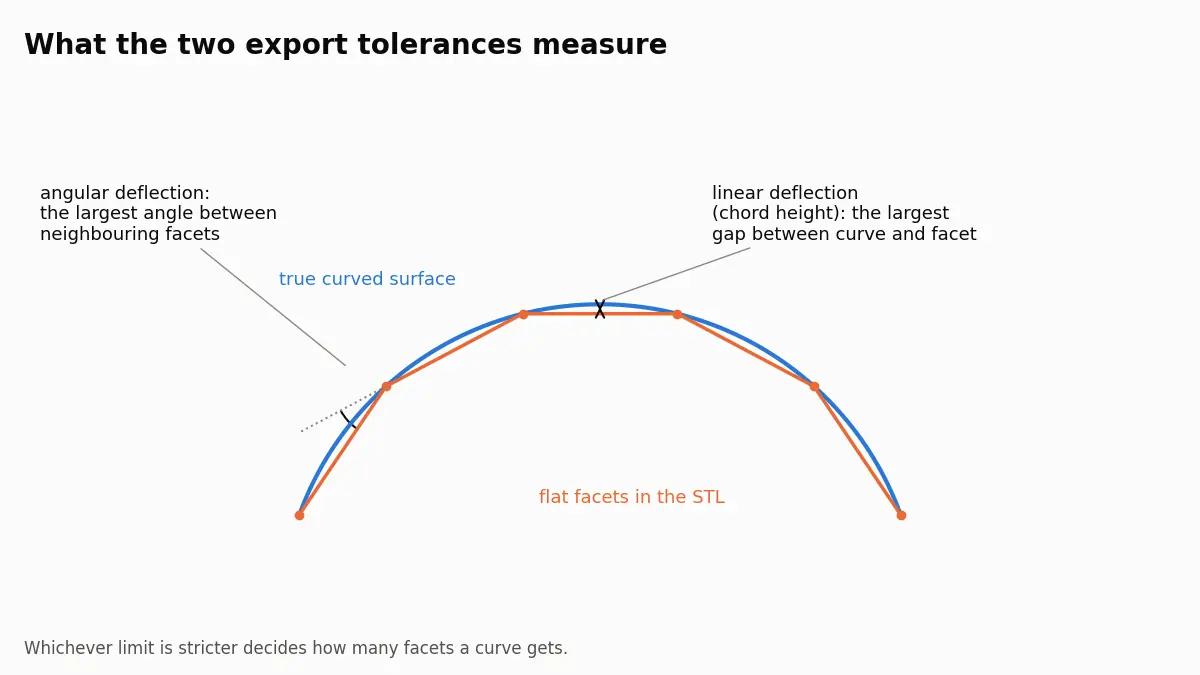
Linear and angular deflection explained with numbers, how they change file size, which preset to use for FDM or resin, and how to handle units and assemblies.
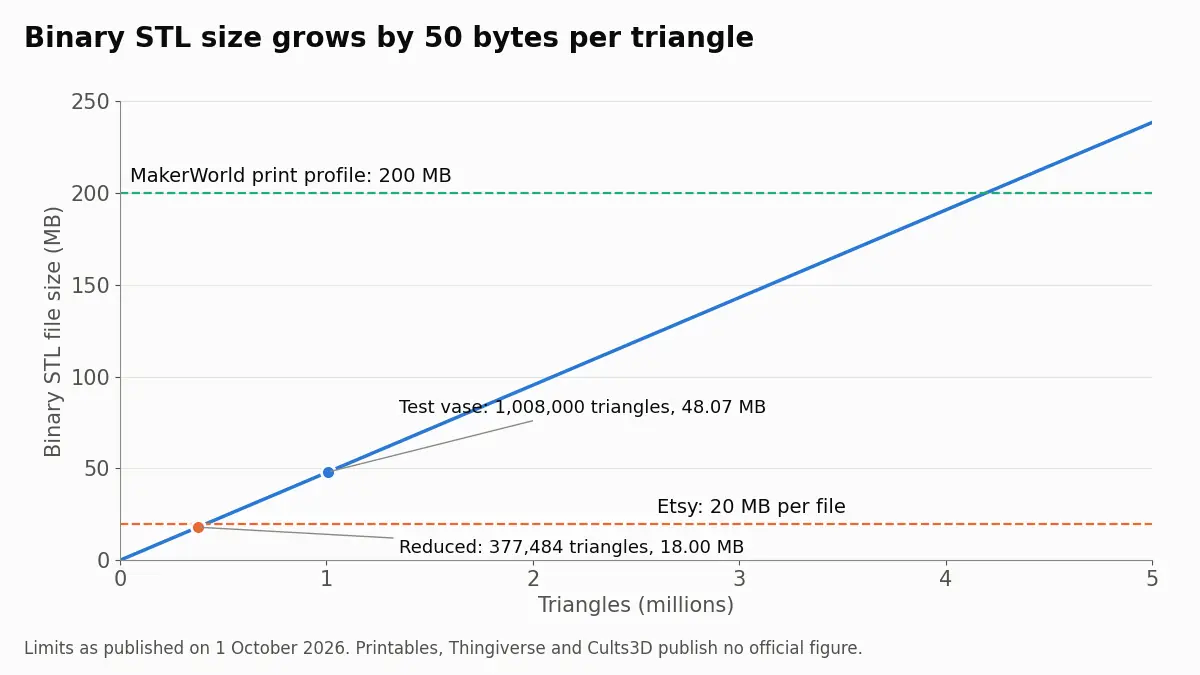
Upload limits on Etsy, MakerWorld, Printables, Thingiverse and Cults3D, checked October 2026, and how to bring an STL under them without losing detail.
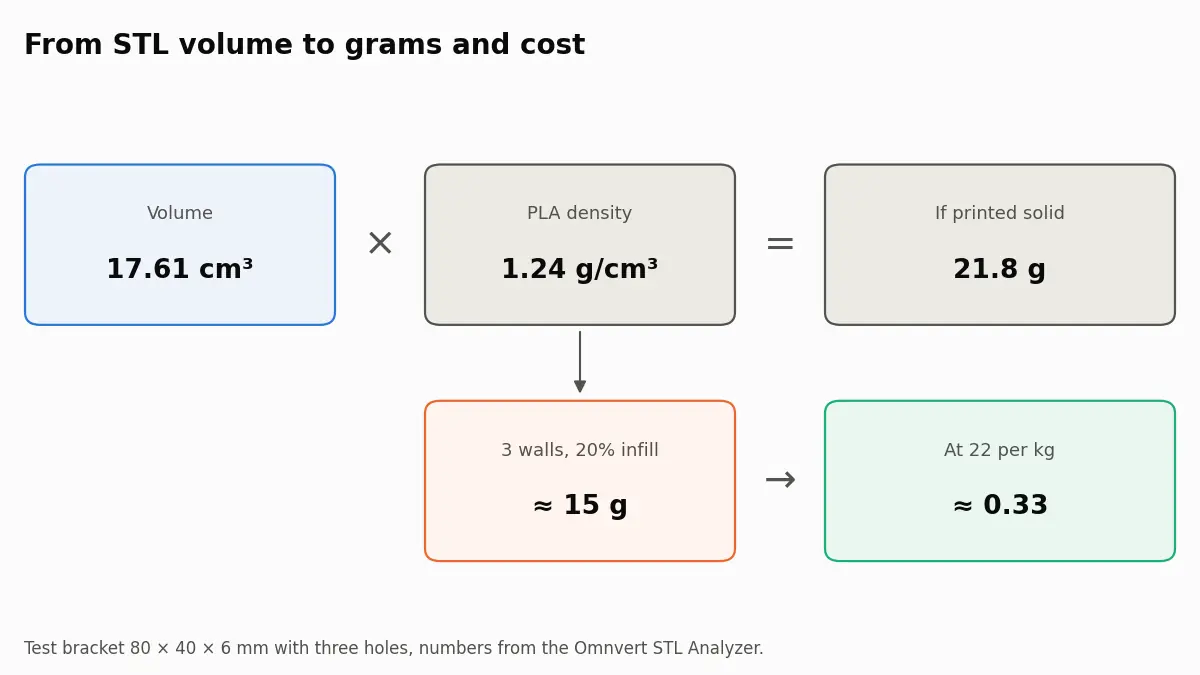
Turn an STL's volume into grams and cost: filament densities from data sheets, how walls and infill change the weight, and how far an estimate can be trusted.
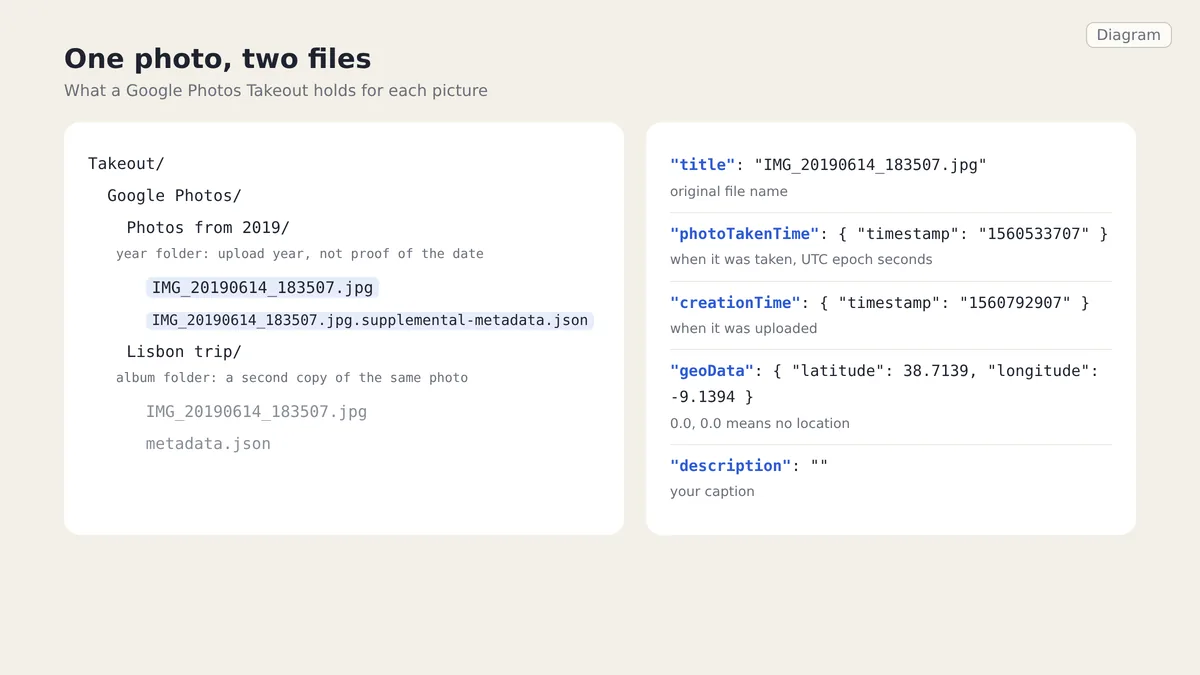
Year folders, album copies and one JSON sidecar per photo: what Google Photos Takeout contains, which fields hold the date, and why photo apps ignore them.
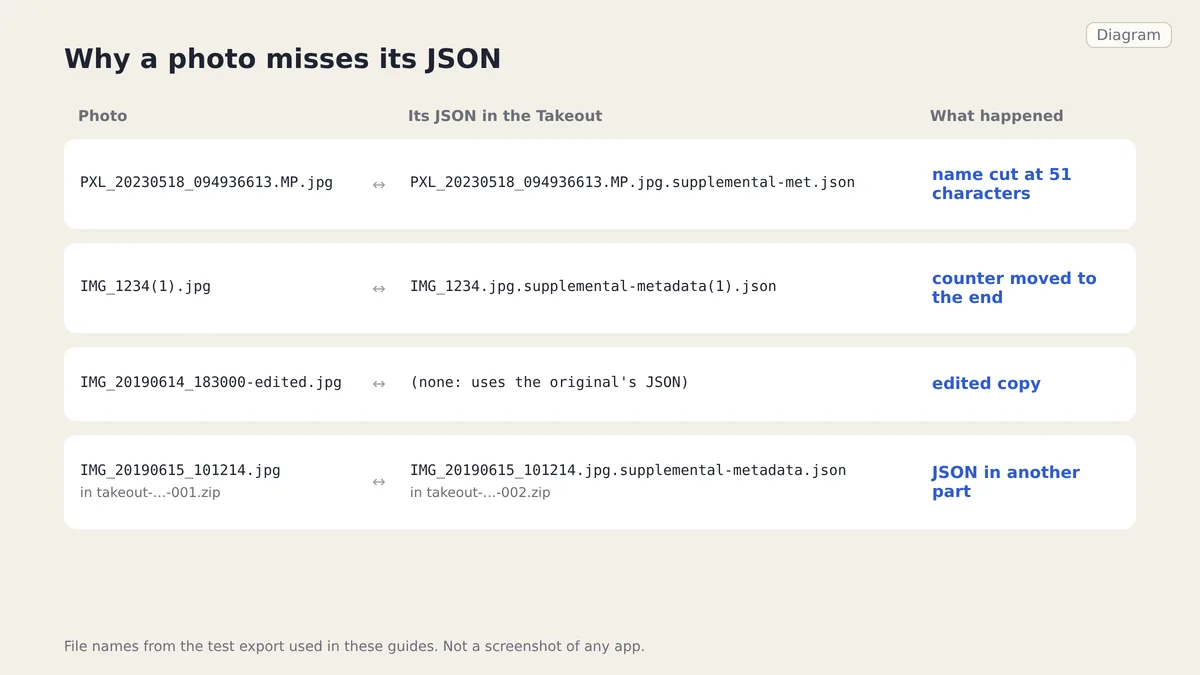
Truncated supplemental-metadata names, moved (1) counters, edited copies and JSON in another ZIP part: why Takeout photos lose their JSON and how to match them.
Publisher leaves Microsoft 365 on 1 October 2026. Who is affected, which options still open .pub files, and how to convert a whole archive to PDF.
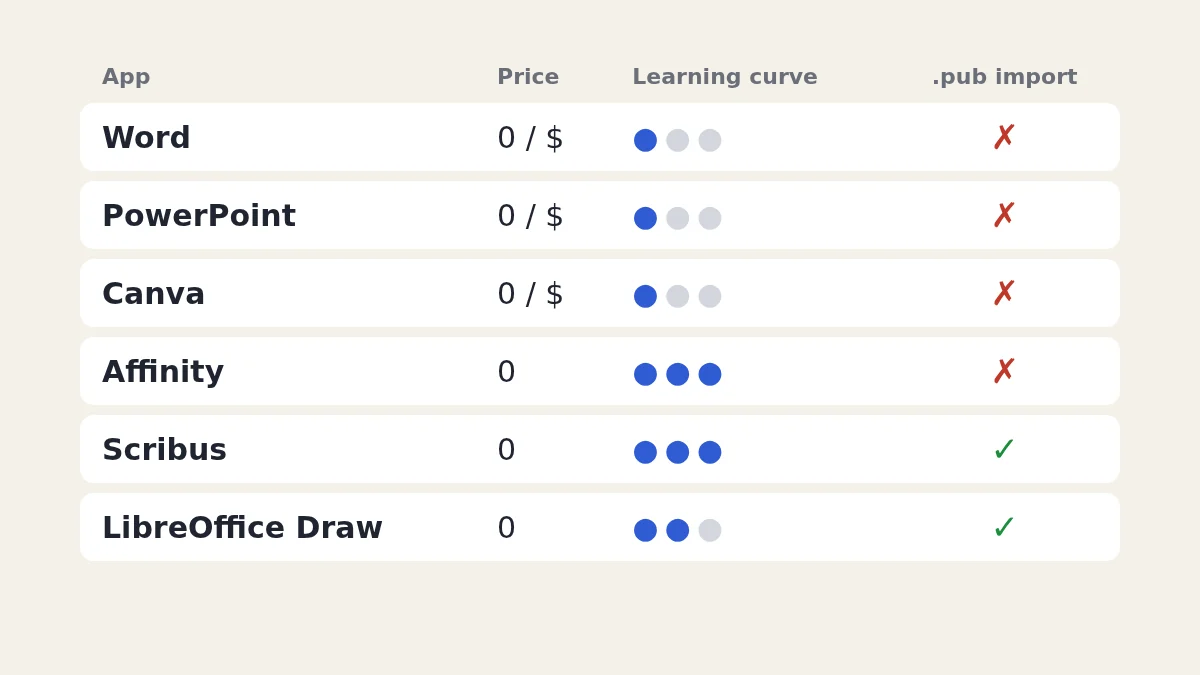
Word, PowerPoint, Canva, Affinity, Scribus and LibreOffice Draw compared on price, learning curve and .pub import, plus a step-by-step plan to move your files.

What a quality setting really controls, what chroma subsampling throws away, which SSIMULACRA 2 scores map to which settings, and why re-encoding hurts.
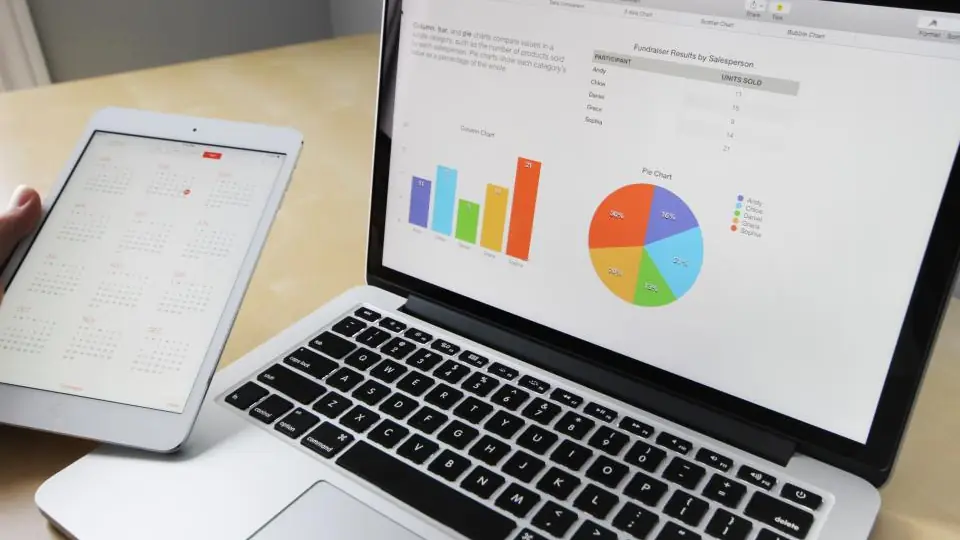
A PDF has no cells, only positioned glyphs. How extractors infer columns from ruling lines and x coordinates, where that fails, and how to verify the result.
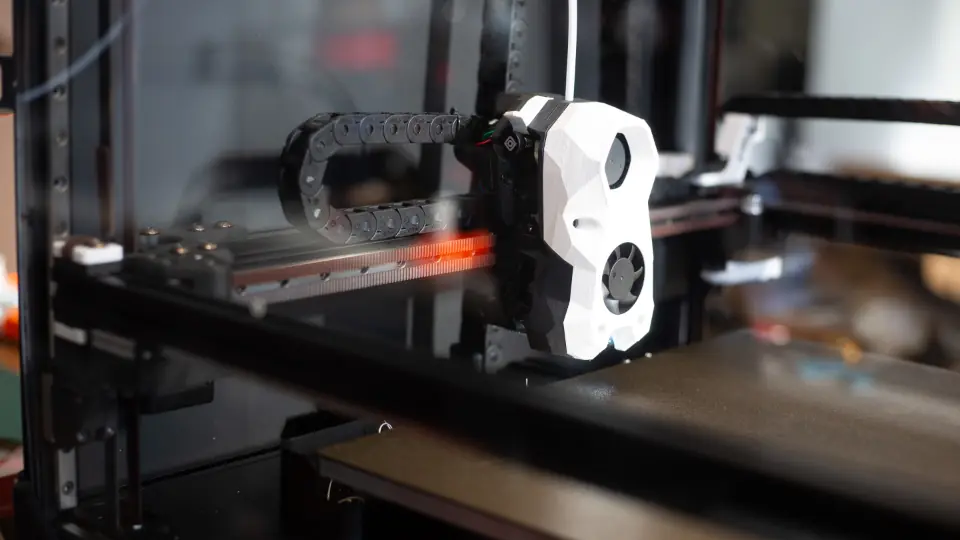
Why STL files get large, how to read the triangle count straight from the file size, and what binary, re-export, decimation and 3MF each save in practice.
What the PE headers, section table, import list and per-section entropy tell you about a Windows executable, and where static triage stops being enough.
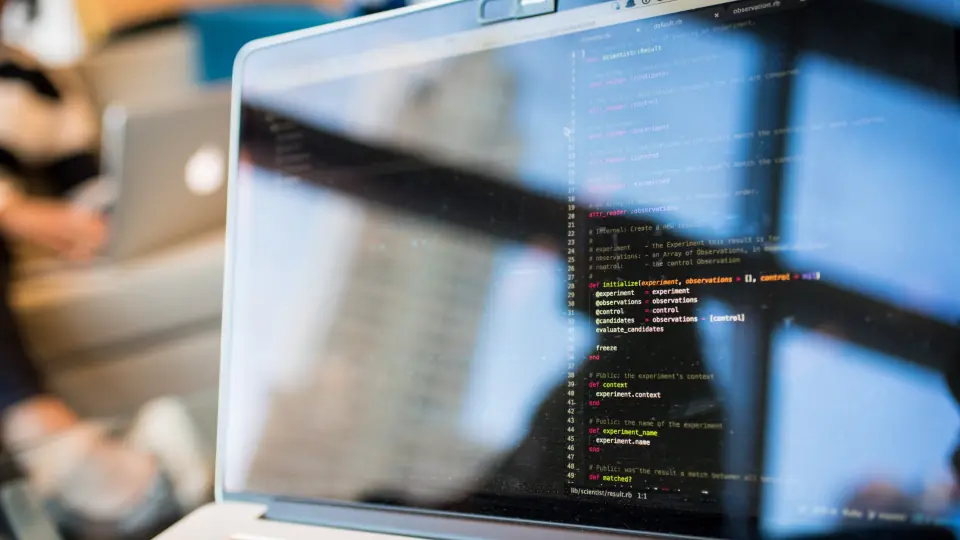
JWT structure and base64url, the alg and kid headers, the none and algorithm-confusion attacks, expiry and clock skew, and how to debug a token without leaking it.
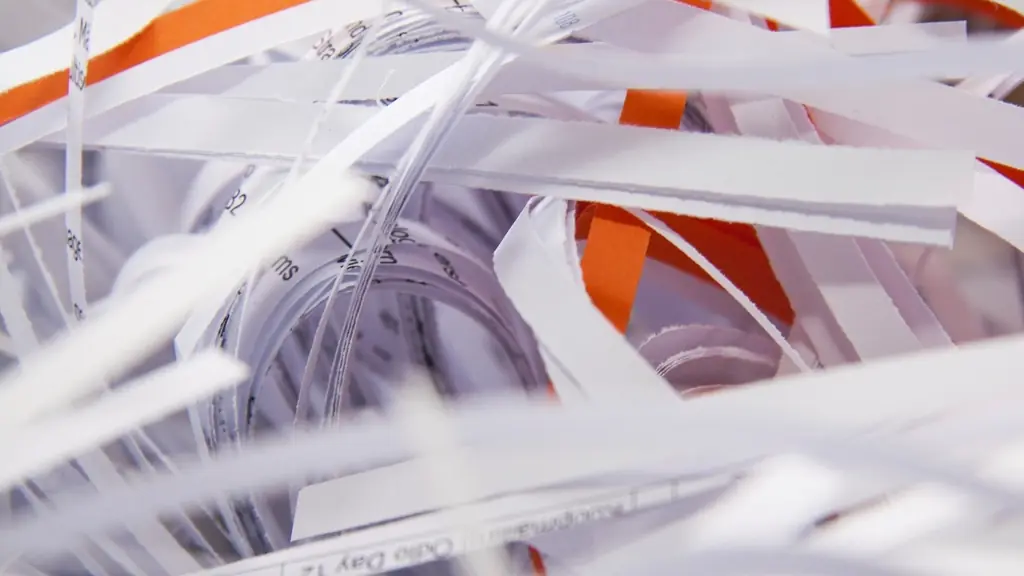
A black rectangle hides text without deleting it. Where PDFs keep the original content, how to remove it properly, and four ways to verify a redacted file.
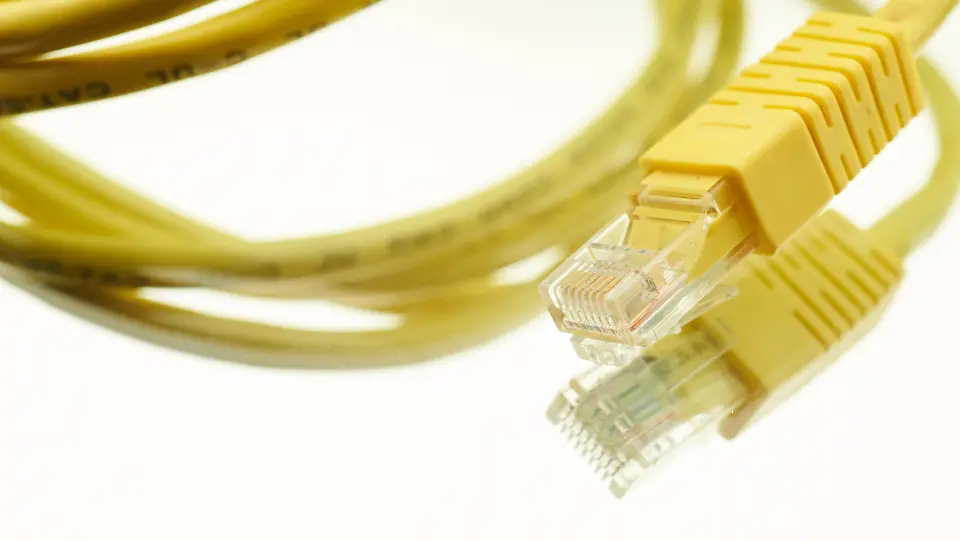
How pcap and pcapng are laid out, where snaplen truncation bites, how to turn packets into flows and endpoints, and what TLS still leaks in a capture.
What removing an AI badge actually involves, when inpainting gives a clean result, and why erasing the visible mark leaves the embedded provenance intact.

What each format really stores, how many bytes the same mesh costs in all three, why units decide most arguments, and the edge cases that break silently.

The fancy letters in Adopt Me and Roblox names are Unicode characters, not a typeface. Which blocks they come from, where they get rejected and what they cost.
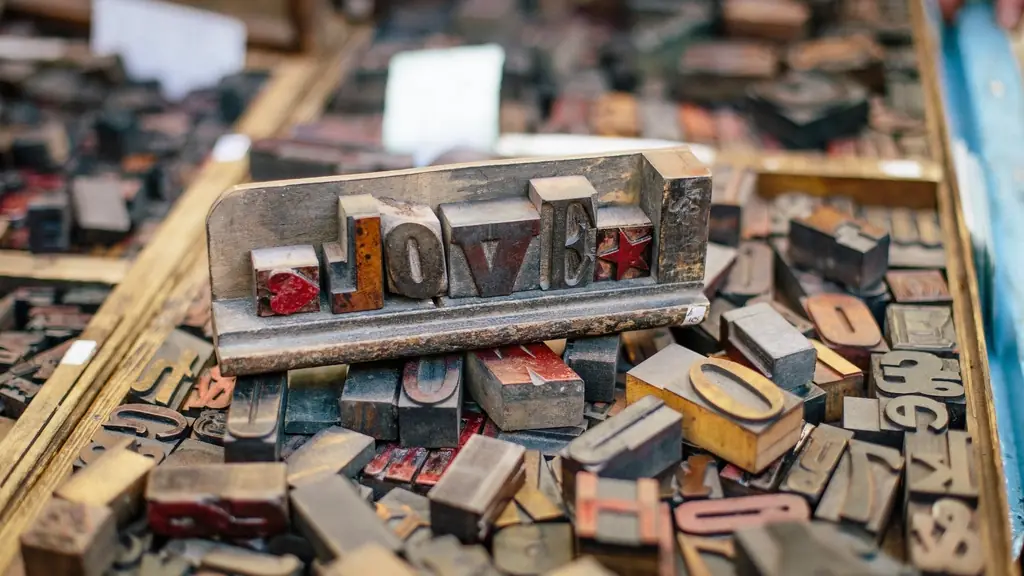
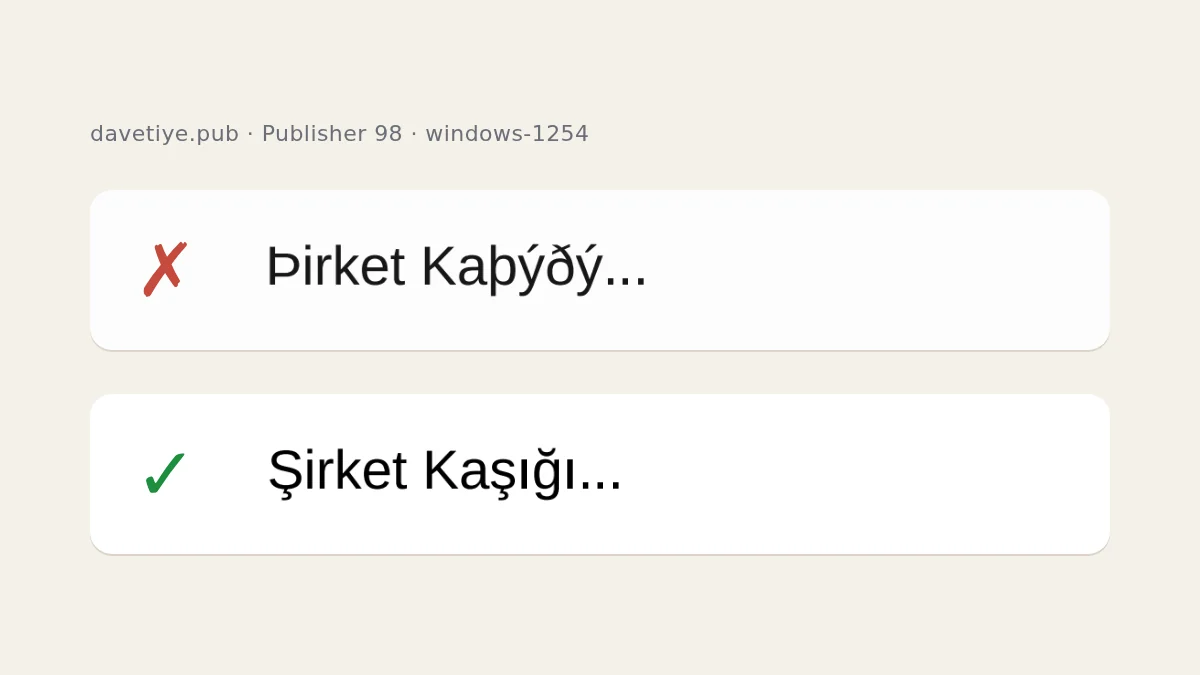
What really separates TTF, OTF and WOFF2, why subsetting saves the most, and how a Latin-only subset silently breaks Turkish text on a live page.
Measured compression figures with sources, WebP's 8-bit and 4:2:0 ceilings, AVIF's encode cost and missing progressive rendering, and how to choose per content type.
OCR accuracy is set by the image, not the engine: resolution, binarisation, skew, compression artefacts, language data and layout. Plus how to judge the output.
The location, timestamps, serial numbers and embedded thumbnail inside a photo, what platforms really strip, and how to verify a file is actually clean.
Compression, resizing, format choice and measuring quality loss.
9
Merging, OCR, pulling tables into Excel and redaction.
4
STL file size, mesh repair and pre-slicer checks.
12
EXE/PE inspection, pcap analysis, JSON, JWT and encoding work.
3
Font formats, subsetting, web font loading and licences.
2
Metadata hygiene, redaction mistakes and where files get processed.
2